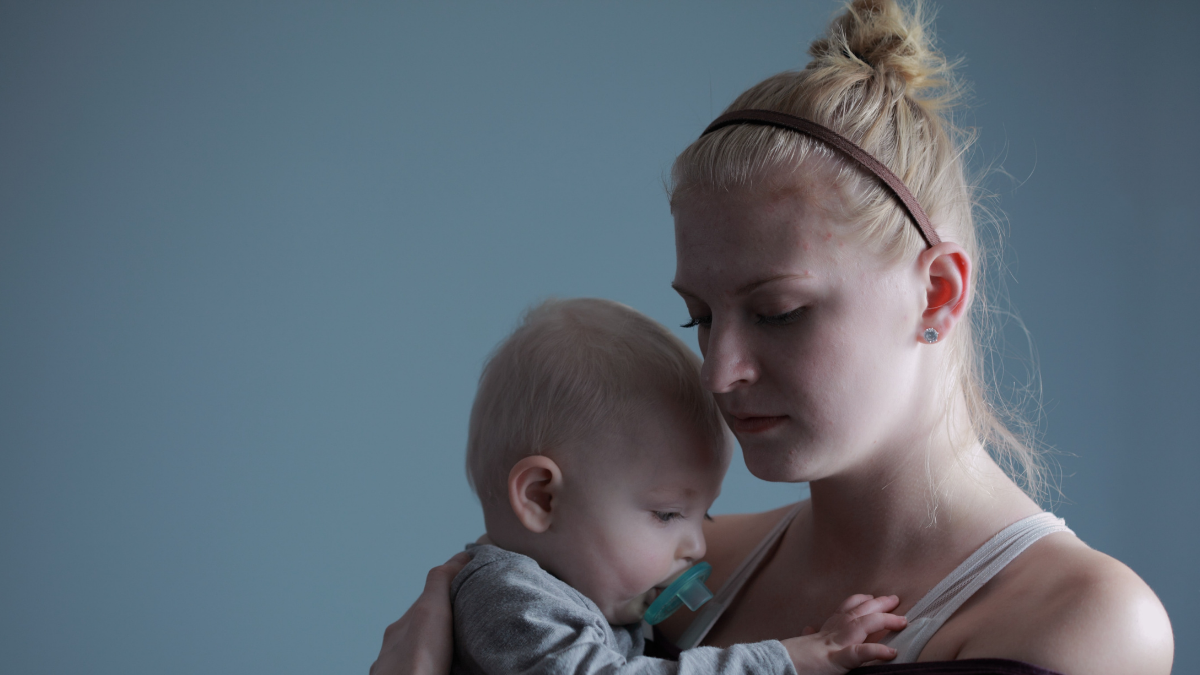
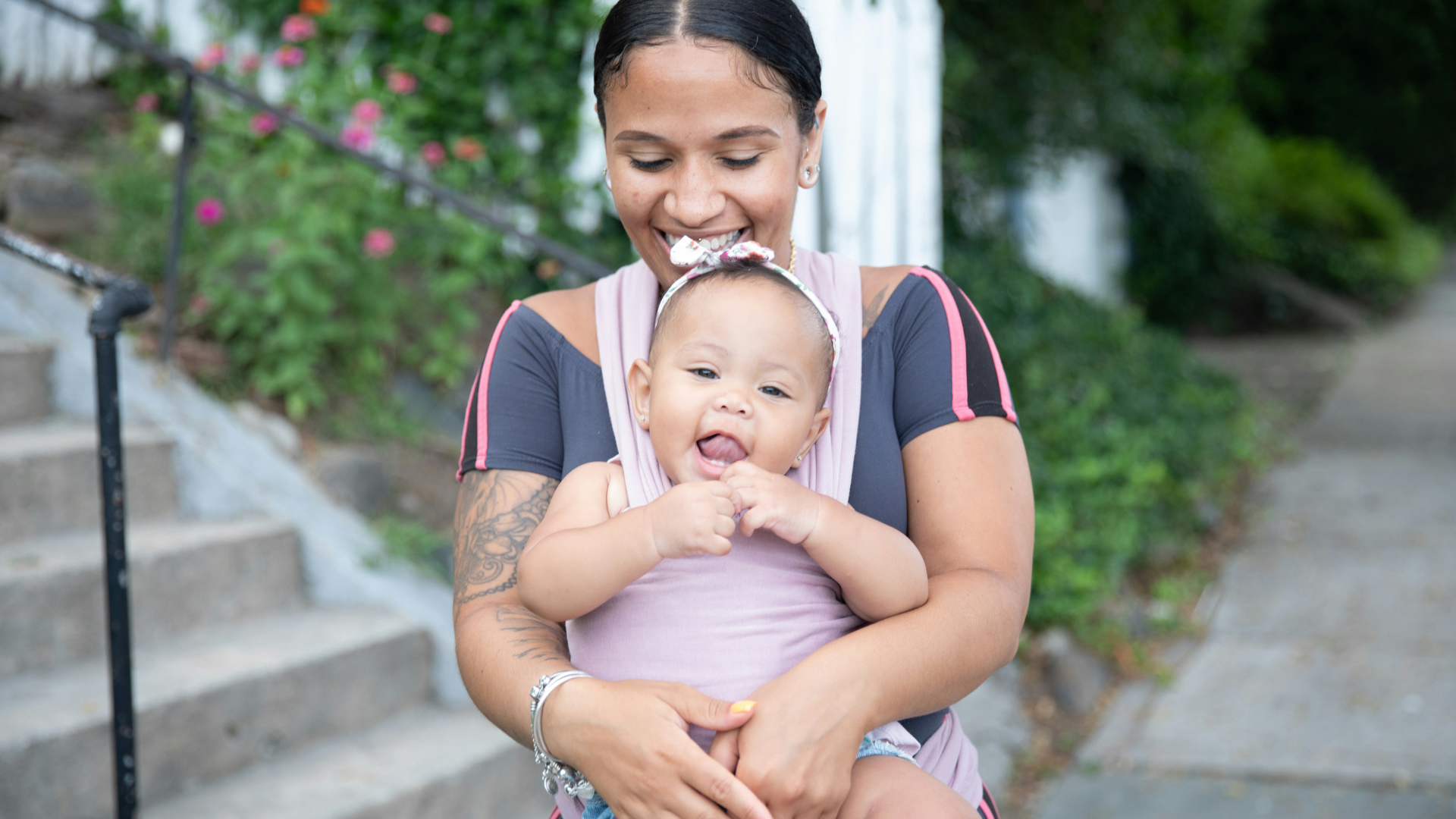
The transition to being a new mom is a big change in life. Your body, mind, and everyday routine change overnight. Most women are under pressure to regain their shape after childbirth but the thing is that, all the journeys of each mother are unique. No two people fit in the same timeline when it comes to recovery from pregnancy, childbirth, or fitness. You should be careful and listen to your body, and take baby steps. Be nice to yourself. It is your path, and you control the direction.
What Happens to Your Body After Birth
Your body undergoes a lot of changes after delivery. It does not become normal again overnight. Your uterus begins to shrink back, but it happens over a few weeks. You get cramps as lochia occurs and the bleeding lasts for a number of weeks. It is the way that the body cleans out the uterus.
Breastfeeding also comes along with other challenges such as sore breasts, nipple swelling, or even bleeding nipples. Together with that, your pelvic floor and core muscles get weakened during delivery, and it does take some time to strengthen. You may read more on what to expect after childbirth in this overview of postpartum care on Mayo Clinic.
Why “No Pressure” Fitness Matters
Nowadays, social media tends to present short, bounce-back stories. However, new moms should not be pressured to lose weight rapidly and getting into shape with intensive fitness routines. Moreover, pay attention to your mental health, body, and not your appearance. Some helpful first steps are walking, stretching, and breathing exercises. This way, you can remain safe and free as far as injury is concerned. No pressure fitness will help you build up strength with every single step. You can learn more about gentle, mindful movement to enhance postpartum recovery by visiting the ACOG postpartum care guide.
Top Benefits of a No-Pressure Fitness Approach
Some of the benefits of gradually transition into shape are:
- Stimulates Healing: There must be time to heal. Movement is gentle and does not need to be pushed so hard.
- Increases Energy: A short workout can help ward off your depressive feelings and provide more energy.
- Increases Mental Health: It has the potential to alleviate stress. It accelerates you to pay more attention to self-care, which will make you happier on a mental level.
Types of Postpartum Fitness That Support Healing
Once you have had a baby, you should select kinds of activities that will help you become fit yet strengthening. Some different types of postpartum fitness include:
Walking
There is nothing better to start with than plain walking. Walking is mild and boosts the circulation of the blood as well as mood, and lowers stress. It also supplies you with fresh air and energy that aids mental health.
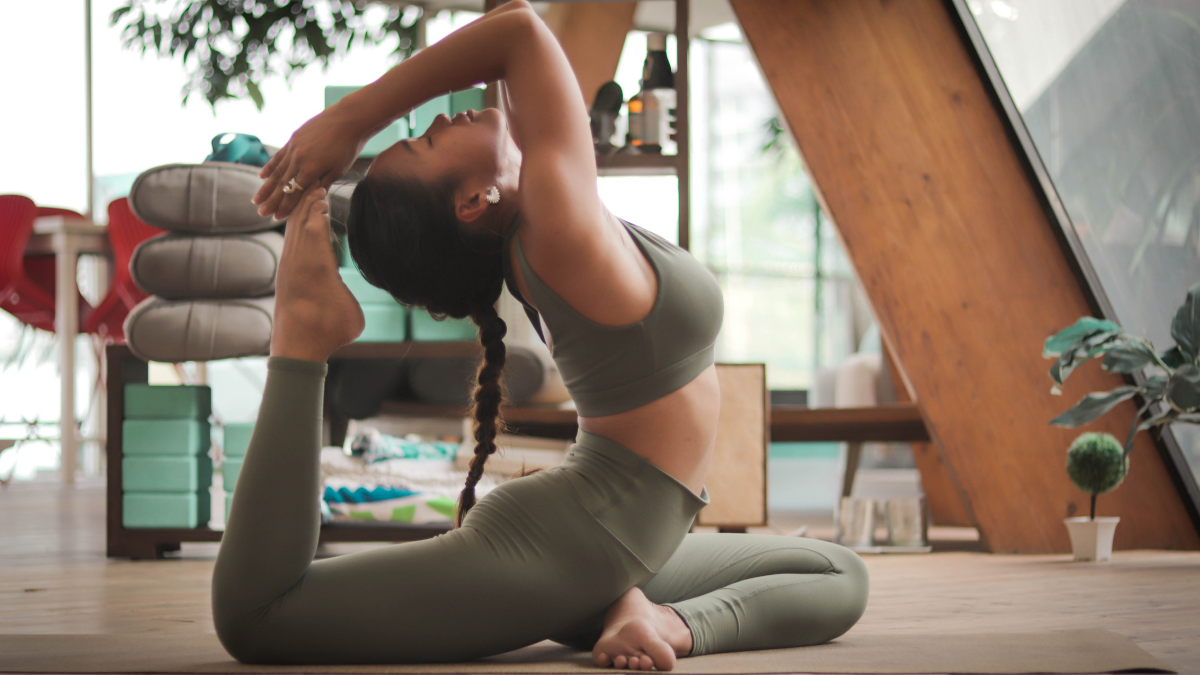
Yoga
The alternative option is gentle yoga or stretching that will promote improved flexibility, alleviate backpain, and lower stress. The routine helps your body strengthen slowly. If you can’t go to yoga centers or the gym, the Health Service Executive (HSE) in Ireland provides excellent resources on safe postpartum physical activities advice. You can also refer to their guide.
IV Drips Therapy
IV drips therapy is another option that some moms adopt for an attempt to recover. Such drips hydrate, supply vitamins, and nutrients. They can increase energy and help your body recover more quickly. Always consult your doctor before you get involved in exercising and taking IV Drips Therapy.
Pelvic Muscles Recovery Exercises
After the delivery of a child, the muscles of the pelvic floor are weakened. These pelvic muscle exercises will make them stronger and even aid in the control of the bladder.
Postnatal Pilates
Pilates is safe and effective not only for general health but also after childbirth. It also enhances posture correction, and lowers back pain. Postnatal Pilates movements are slow and controlled, which helps in healing. It is an outstanding method to feel empowered step by step.
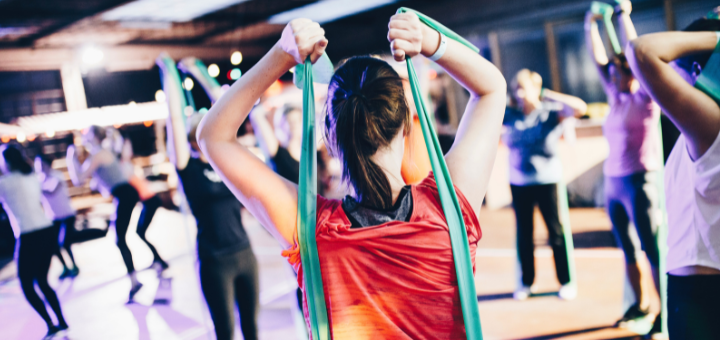
Light Strength Training
Light weights or resistance bands can be quite useful when your doctor indicates that you should use them. Strength training guides your muscles to build up, and allows them to have more strength for daily activities. Begin with little weights and go as slowly as you find it convenient.
Abdominal Recovery Exercises
Pregnancy makes your abdominal muscles lose strength. A bridge or modified plank can help you recover it as they support the back and relieves back pain. Hard crunches in the initial weeks are to be avoided but can be introduced gradually.
Swimming
Swimming does not strain the joints and works on the entire body’s movement. It also makes the mind relax and improves the mood. Water will help you lift the weight of your body to make the movements easier and relaxed. Before going into this exercise, you must always get a clearance from your doctor.
Conclusion
What we’ve learned from the above is that all women and their bodies are unique in their recovery requirements. There is no ideal schedule for getting back to fitness. Each mom has a different journey, and that is how it is supposed to be. This is your personal experience, celebrate it. Just breathe in and begin slowly, and be gentle with yourself. Make a no-pressure start; it is worth it for your health and happiness.